Day 14: Vrijdag 29 maart 2019
Ngemelis - Koror

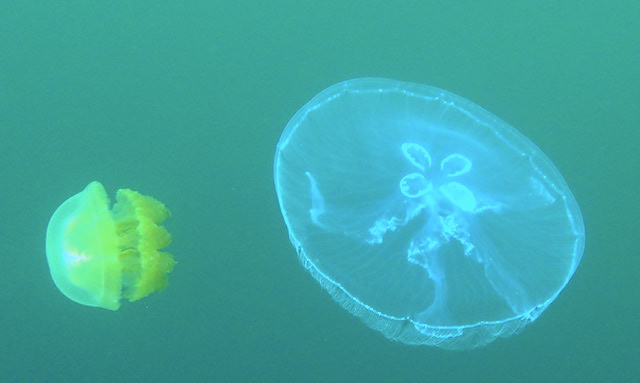
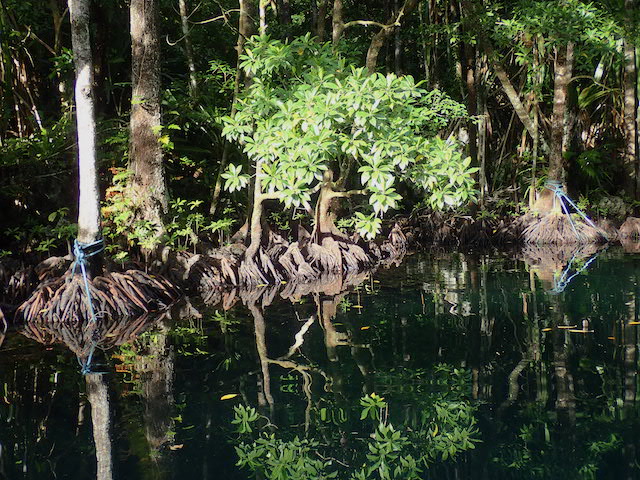
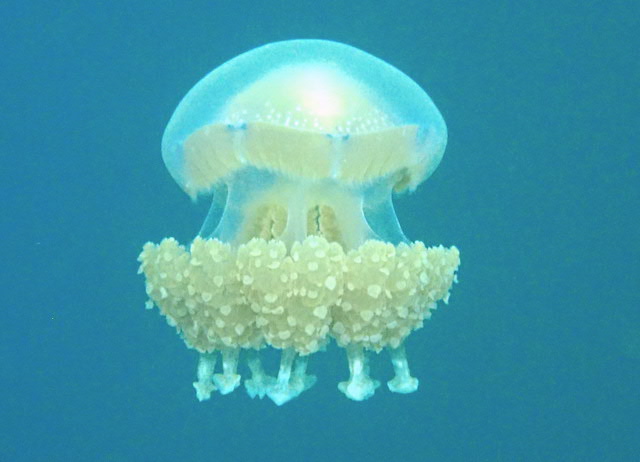
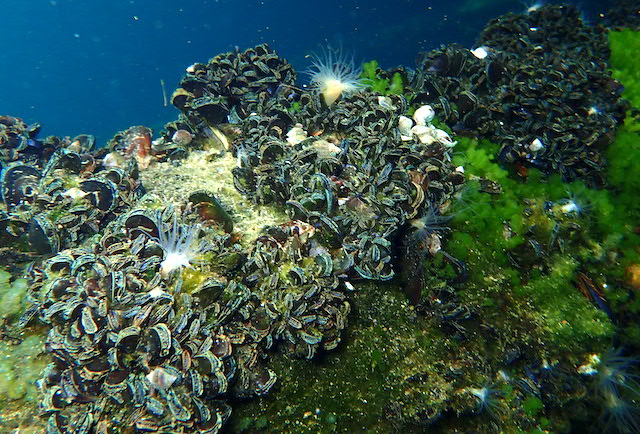
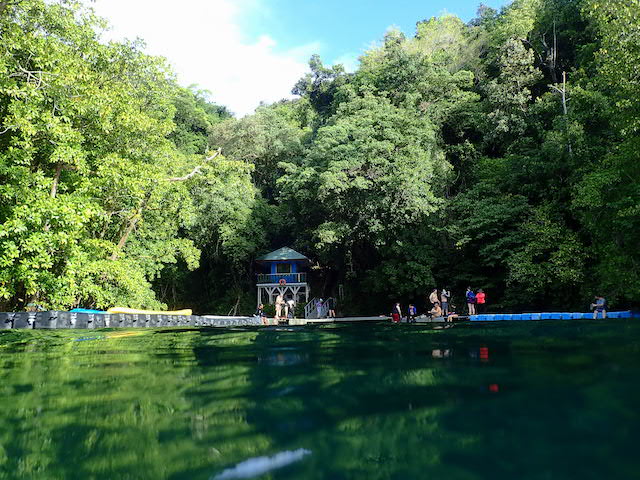
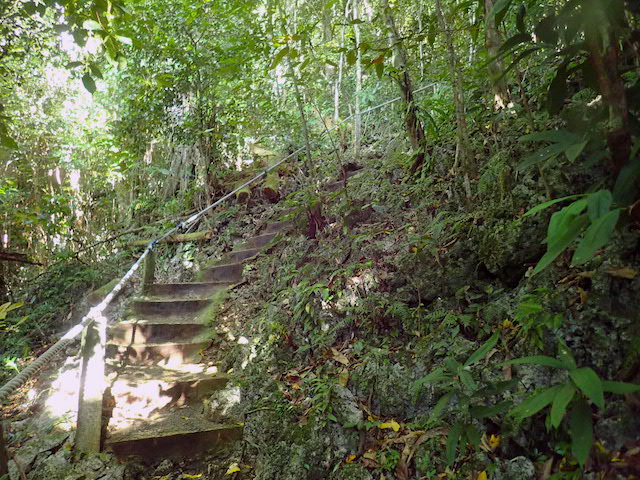
I woke up early and walked around at 6.15 am with a cup of coffee. Martin was awake even earlier. It is our last diving day. Around 7 am we left for the lake with the jellyfish, which was fifteen minutes sailing. Then some 70 steps up and more than 80 down. The lake was once part of the sea, but it has become separate when the seawater has dropped. The lake is still connected to the sea via narrow channels, but the tide is much slower here. It is approximately 30 meters deep. In the lake live 2 types of jellyfish, of which the Golden jellyfish is by far in the majority, but the moon jellyfish also occurs here. They move with the sunlight from the bottom to the center of the lake. Beautiful sight. The jellyfish are non-toxic and look complex. There were also cardinal fish by the trees and mussels are also growing there. Mangroves grow on the side. The water was pleasantly warm. I swam for half an hour and then walked back to the boat, waiting for the others. While waiting we saw a squid swimming. To be allowed to snorkel in the lake, you have to pay US$ 30.
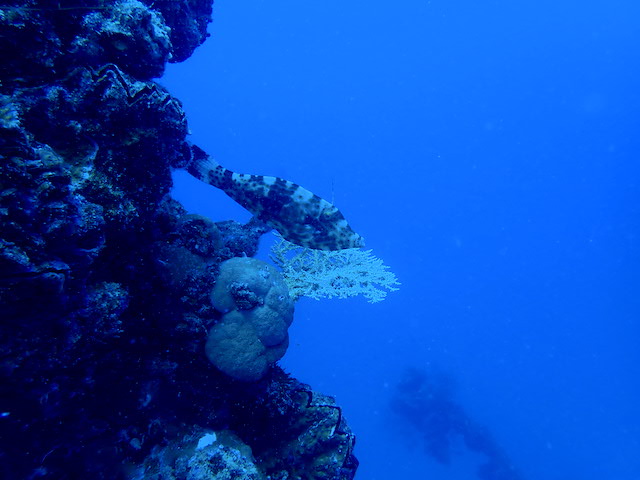
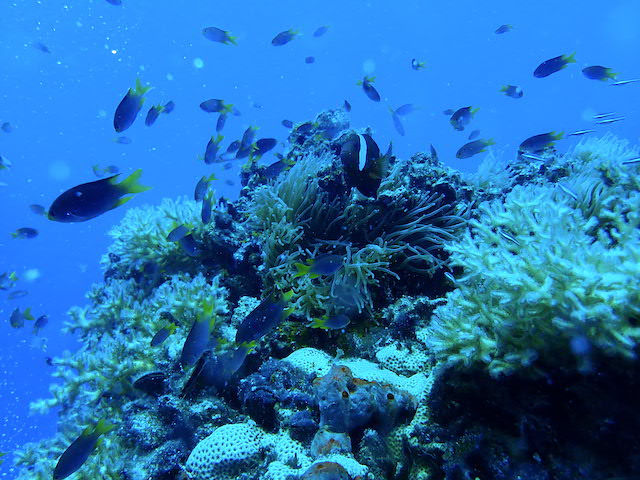
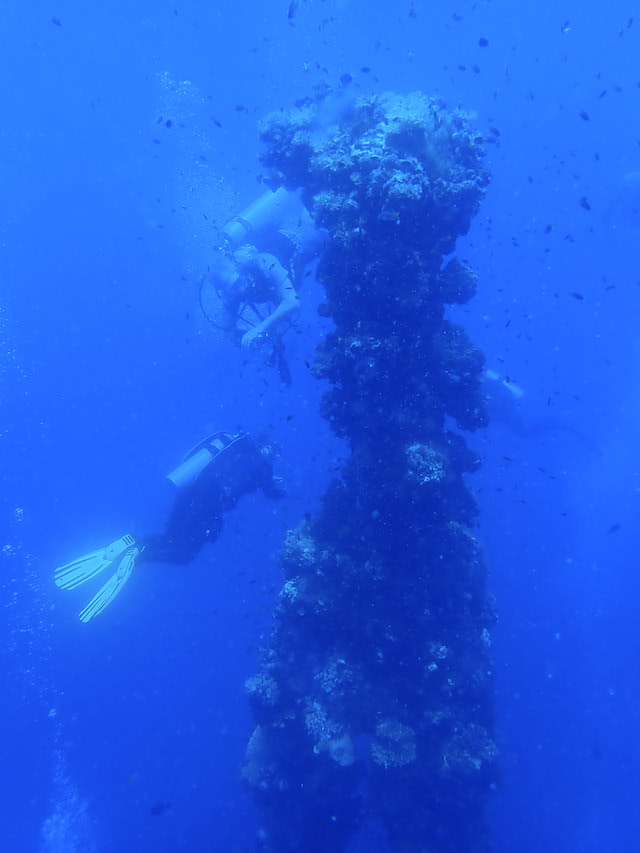
Then back to the ship that then headed north. During the trip we had breakfast. The journey itself should take an hour, but it took much longer. We also passed a narrow channel between 2 islands. We only arrived at our dive site around 11.30 am, the Iro wreck. This ship was used during the war to supply other Japanese ships. It was in a convoy on its way to Palau when it was bombed by American planes. However, the ship remained afloat and was able to continue the voyage on its own. It was anchored when the Americans carried out a second bombing on the 31 of March 1944, during which a large gap was struck. The 143 meter long ship sank after all. It is quite deep, between 18 and 35 meters. It is nicely overgrown and 1 side looks like a natural reef. The ship is standing upright in the water. We first dived to the bow, which is 35 meters away, and swam through the hole that was made here. On the other side I saw a turtle, incidentally full of smallpox, and various fish. Soon I had to swim higher to prevent me from coming into decompression. There are two high masts on the ship and there is also plenty of life here, including a lot of anemone with anemone fish, but also large mussels. After 55 minutes up again. With the skiff back to the ship and sail further north to Koror while we had lunch.
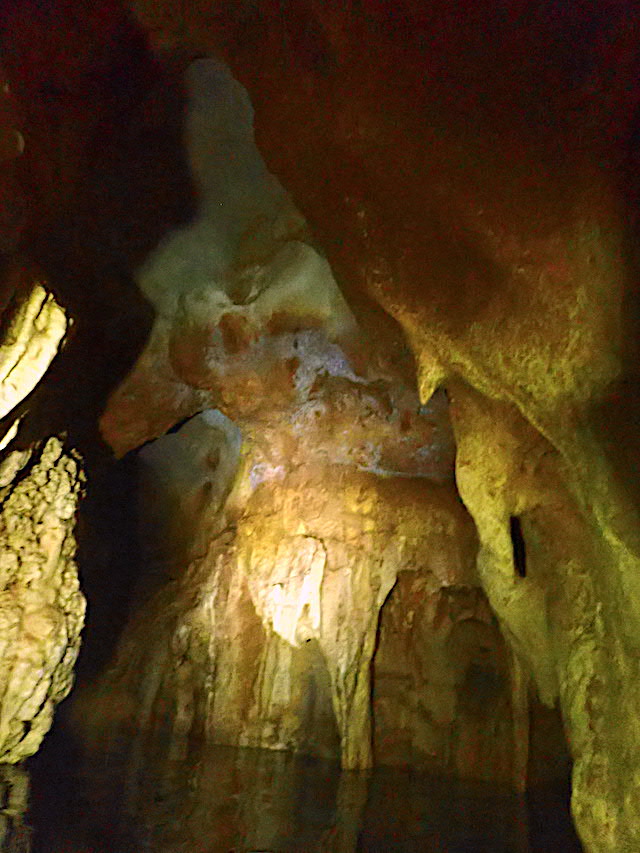
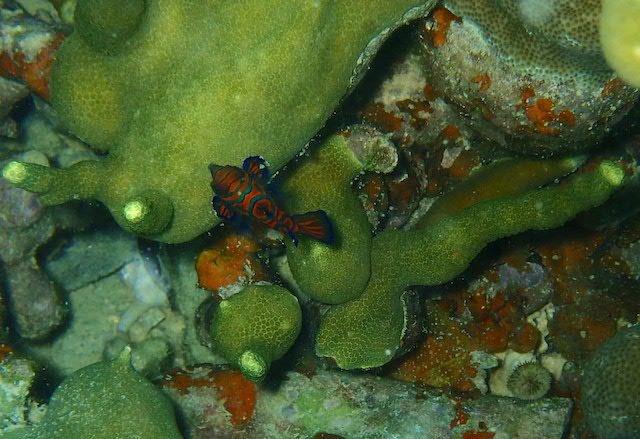
Here we made the last dive in Chandelier Cave, which is practically in the harbor. This cave consists of 4 rooms with many stalactites. A nice dive in itself, but not good for your ears if you want to go upstairs in all four rooms (you can just breathe normally there). Incidentally, if you go upstairs, you must be careful that you do not bump into a stalactite, you could just could get a headache. Outside the cave we searched for mandarin fish, which are quite a lot. I found about 5 of them, but they are not easy to photograph. Furthermore, various cardinal fish. After 78 minutes back up and back to the ship, where we flushed out our gear for the last time.
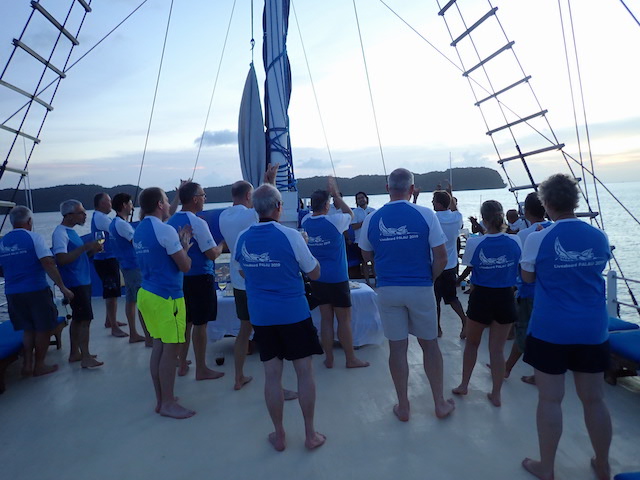
Around 6 pm we had a happy hour with snacks and a drink. Group photos were taken while everyone wore the same t-shirts. As the sun slowly set we talked a bit. We also said goodbye to Ann, the always cheerful hostess. She went home to the Philippines for the first time in 18 months to see her son again. He had now finished primary school and is now going to secondary education.
Around 8.15 pm our last dinner on board of this floating hotel. Then chat and settle the finances (park fees and possible purchases). We had already largely collected all our stuff and put it in our bags as far as possible. The diving gear, however, was not yet dry, so it was allowed to hang on for another night. For the last time we went to sleep on board.
Initial publication: 28 april 2019
Last update: 01 juni 2019
© A. Heeroma
Click photo to enlarge